 +1 929 201 3767
 info@embroideredpatches.us
 Login
Login



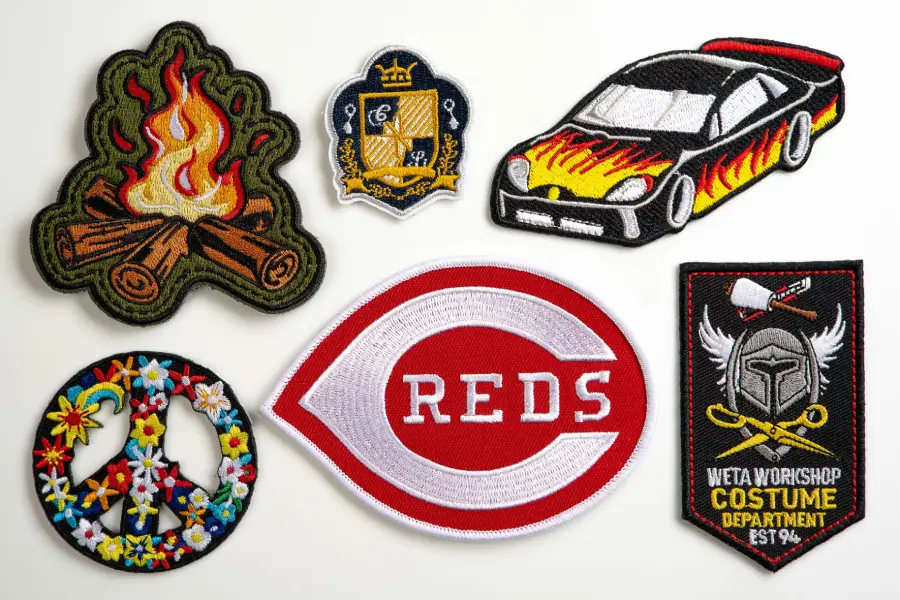
How to Style Your Patches on Jackets, Bags, and Hats
Carrying patches is one of the best options to dress classy and simply elevate your style. Adding only one application can make a difference and is considered high fashion. Emblems can add a character to your hats, bags, and jackets. This blog is composed of simple and easy ways to style your jackets, bags, and hats with your favorite custom embroidery badges.
Tired of boring clothes and want some transformation? Embroidery badges are the right way to style. You need solid styling skills to revamp your apparel and accessories with these patches. Follow this guide to navigate through the exciting world of embroidered patches and add them to your garments.
What Are Embroidered Patches?
Custom embroidered patches made in USA are personalized designs, emblems usually created with a high-quality twill and threads for textured and durable emblems crafted for fashion, uniform, or branding. It is an old-age art carried by hand in the past. Small pieces of fabric with a company logo or distinct designs are referred to as custom badges.
You can craft various designs, patterns, and shapes on patches. The design of the embroidery badges is constructed through the threads on the fabric backing. These types of patches are the timeless choice of people for branding identity and personal expression, blending creativity and tradition.
What You Need To Style Your Custom Patches
Before styling your favorite patches on garments and accessories, it is best to gather all the necessary materials and tools for application. When you are prepared, and everything will be in your hands, your process will be smoother and risk-free. Below is a quick list of the things you should have:
- A clean hat, jacket, or bag.
- Needle and thread.
- Scissors.
- Fabric Glue.
- Your patches.
- Pins or fabric clip.
Prepare Your Item for Patches
If you want your patch to look neat and clean, you should prepare it first. It will save you from hassles and last longer.
- Properly clean and dry your apparel or accessories. Dirt or oil can affect the adhesive surface.
- Keep your fabric on a flat surface and check where it looks good.
- Capture pictures of different placements to analyze the appropriate position, or get help from a custom uniform patches factory.
Following these steps can produce a refined and polished output.
Ideas of Patches Placements
Embroidered patches are versatile statement pieces used for temporary decoration on accessories and clothing. There is no hard and fast rule to apply badges, but sometimes it involves a risk. Here is a popular placement ideas for your apparel and accessories.
- Jackets
You can apply the personalized emblems on sleeves, collars, or the chest area of the jacket. The large back panel is also the best idea to express your identity. Denim jackets are a popular item to wear and look prominent. Travel, Retro Vintage, and Cottage core are the ideal themes for the jackets.
- Hats
A hat is a little item, but you can place your patches right above the brim, on the front of the crown, and on the side panel. Beanies, baseball caps, and trucker hats will look amazing with high-detailed and small patches. The size of the hat patch matters; try to limit it to 4 inches wide and 2.5 inches in length.
- Bags
Style your embroidery badges on the front pocket, side panel, straps, or central panel of the bag. Try to opt for Velcro or adhesive patches on the bag for the tactile gear. Use iron-on for small holes or worn corners of the bag.
Types of Backings
Patches are attached to the fabric through a backing. A backing choice depends on the patch and fabric type. Here are the popular types of backings.
- Sew-On
These types of patches are stitched by machine or by hand. Pin the badge for the position and start stitching the edges with the needle and thread. Stitch with even, small strokes, and tie a double knot at the end to secure the thread.
- Iron-On
It contains a heat-melting backing that sticks the patch to the fabric by transferring the heat. You need to place a cloth on a flat surface and position the emblem correctly. Iron the patch by covering through a pressing cloth to protect the design. Set the temperature according to the fabric, then press for 15 to 20 sec. Cool down the patch before wearing.
- Velcro or Adhesive
They are the fastest and easiest application of the embroidery patches. You just need to prepare a fabric, remove the backing, and stick it. Press it firmly, and it is completely done. These types of patches are used for frequent updates. Don’t wash the patch for 24 hours at least. If you are looking for custom PVC patches in bulk, this is the best type of backing.
Frequently Asked Questions
- Why do my iron-on patches peel from the corners?
Patches often peel from the corners because there isn’t enough pressure or heat, or because they slide from the corner. The solution is to repress it from the corners without steam and let it cool fully to stick correctly.
- What is the cost of an embroidered patch?
The cost of the embroidery patches depends on the type, quantity, and size. You can ask companies for the quotes. Ordering in bulk quantities may get you a major discount.
- Can I apply iron-on embroidery badges to polyester?
Yes, you can apply iron-on badges to polyester, but do so carefully with a low heat setting and a longer press. Must use a cloth barrier, and if it still looks risky, use glue to stick or stitch it.
The Bottom Line
It is a fact that even a small patch can elevate your overall style and make a difference. You can transform your old hat, jacket, or bag into a statement piece by adding a crest. Custom embroidery patches are made with threads on fabric backing and can be designed in any style and size. Prepare your item for a long-lasting, perfect appearance, and take all the materials with you for badge styling.
You can style multiple places of your jacket from sleeves to the bag, hat on the broom or front panel, and bags from straps to the front pocket. Choose the right backing for your application, whether a sew-on, iron-on, or Velcro.

As a fashion analyst behind EmbroideredPatches.us, I love exploring the world of patches and all the creativity they bring. On this blog, I share tips, ideas, and simple techniques for making patches that last and look great. I explain colors, designs, and materials in a way that’s easy to follow, so anyone can try customizing their own patches. From small personal projects and gifts to collections and hobbies, patches are a fun way to add personality, style, and charm to clothes, bags, hats, and more. My goal is to inspire readers to bring their patch ideas to life, enjoy the process, and celebrate every little detail along the way.