 +1 929 201 3767
 info@embroideredpatches.us
 Login
Login



Embroidered Patches Pricing and What Affects Cost
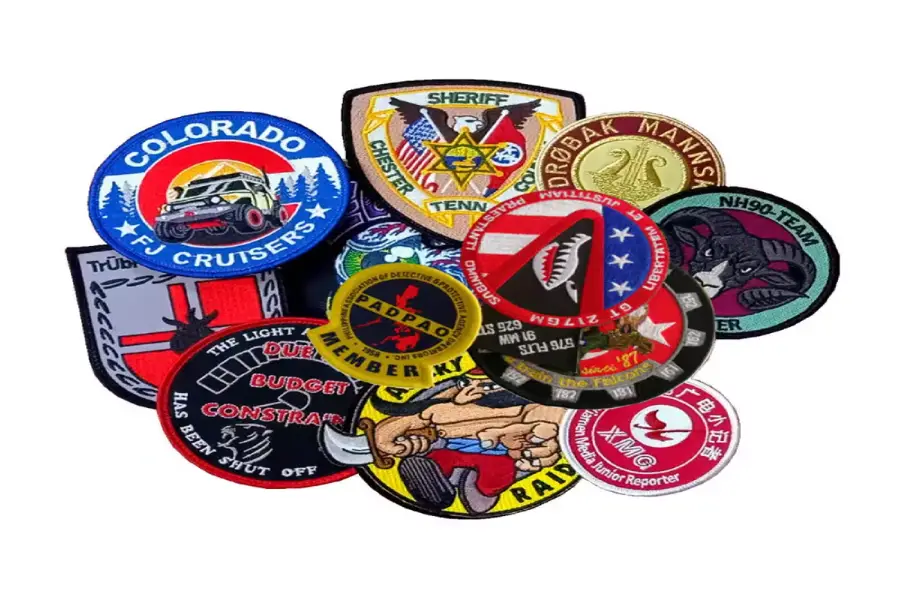
Embroidered patches are often used on uniforms, jackets, bags, and hats. Many businesses, clubs, and teams order custom patches to show their logo or name. But one question people often ask is
How much do embroidered patches cost?
The price of a patch can change for many reasons. Things like the patch size, design details, number of patches ordered, and materials can affect the cost. In this blog, we will explain the main things that influence patch pricing in a simple and easy way.
At first glance, a patch may look small and simple. But behind every patch is a process that includes design work, stitching, materials, and production. A tiny change in size or detail can affect the final price. If you are planning to order patches for your team, business, or event, understanding these factors can help you make a smarter decision.
Why Patch Prices Are Not Always the Same
Many people expect all patches to cost the same, but that is not how patch production works. Several factors influence the price, including design complexity, quantity, and materials.
For example, many companies work with an American embroidery patch factory to produce patches with consistent quality and durable stitching.
1. Patch Size Plays a Big Role in Cost
One of the biggest factors in patch pricing is the size of the patch. Larger patches need more thread and more stitching time. Because of this, bigger patches usually cost more than smaller ones.
Many businesses order patches in common sizes such as 2 inches, 3 inches, or 4 inches. Smaller patches are usually cheaper because they use less material. Some companies that work with professional suppliers choose standard sizes to keep costs lower and production faster.
Here is a simple example of how size can affect price:
| Patch Size | Average Cost per Patch | Reason |
| 2-inch patch | $0.80 – $1.20 | Uses fewer threads and stitching |
| 3-inch patch | $1.20 – $1.80 | Moderate stitching and size |
| 4-inch patch | $1.80 – $2.50 | More thread and longer production time |
In many cases, increasing the size by just one inch can increase the price by 20% to 40% because of the extra work involved.
2. Design Details and Colors Also Affect Price
Another thing that changes the price is the design of the patch. Simple designs are usually cheaper. But patches with many details take more time to stitch.
For example, a patch with one logo and two colors is easier to make. But a patch with many small shapes and many colors needs more stitching work.
Many experts say that clean and simple designs are not only cheaper but also look better on uniforms.
Here is a simple idea of how design can affect cost:
| Design Type | Number of Colors | Price Impact |
| Simple logo | 1–2 colors | Lower cost |
| Medium design | 3–5 colors | Medium cost |
| Detailed design | 6+ colors | Higher cost |
Studies in the embroidery industry show that about 60% of custom patch orders use 3 to 5 colors. This balance helps keep patches affordable while still looking attractive.
How Quantity Affects Patch Price
The number of patches you order also changes the price. Ordering a few patches costs more per patch. Ordering many patches at once usually lowers the cost per piece.
For example, if you order only 10 patches, each patch might be $2.50. But if you order 100 patches, the price could drop to $1.50 per patch. This is called a bulk discount, and many name patches made in USA suppliers offer it.
Here’s a simple look at how quantity affects price:
| Number of Patches | Price per Patch | Notes |
| 10 patches | $2.50 – $3.00 | Small order, higher cost |
| 50 patches | $1.80 – $2.00 | Moderate order, lower cost |
| 100 patches | $1.50 – $1.80 | Bulk order, best value |
Buying in larger quantities saves money, especially for clubs, teams, or businesses. It also ensures everyone gets the same quality patch.
Materials and Backing Types
The materials used to make a patch have a major impact on the overall cost. Some patches are made with ordinary thread, but others are made with really good thread that makes the colors look super bright and makes the patch last a lot longer. High-quality thread costs more, but it improves durability and extends the life of the patch. Another important factor is the backing type. There are several options you can choose from:
1. Iron-on backing
This option is easy to use and sticks to fabric, but it costs slightly more than standard backing.
2. Velcro backing
This is great for people who wear uniforms and need to be able to take the patch off. It might make the patch cost a bit more.
3. Sew-on backing
Cheapest option, simple and durable.
Below is a simple overview of how materials and backing types affect pricing:
| Patch Material & Backing | Price Impact | Notes |
| Standard thread, sew-on | Low | Simple and affordable |
| Premium thread, sew-on | Medium | Brighter colors, last longer |
| Premium thread, iron-on | Medium-High | Easy to attach, looks good |
| Premium thread, Velcro | High | Removable, practical for uniforms |
Choosing the right combination of thread and backing helps balance quality and cost. Many businesses and clubs work with expert suppliers to pick the best option for their budget.
Other Factors That Can Change Patch Price
A few extra things can also affect the cost of embroidered patches. These include:
1. Shape of the patch
Simple shapes like circles or squares are cheaper. Custom shapes cost a little more because they take extra work.
2. Edge type
Patches can have a simple stitched edge or a merrowed (thicker) edge. Thicker edges cost more.
3. Shipping and handling
If patches are made far away or need fast delivery, shipping can add to the price.
Even small details can make a difference, but they also make your patch look special and professional. Choosing the right options depends on your budget and how you want the patch to look.
Working with experts like military patch experts teams helps make smart choices. They can suggest options that balance cost and quality.
Frequently Asked Questions
1. What is the average cost of an embroidered patch?
The cost depends on size, design, colors, quantity, and materials. Small, simple patches can cost under $1 each, while large, detailed patches can cost $2–$3 or more.
2. What types of backing are available for patches?
There are different types of backing you can choose from. These include sew-on, iron-on, and Velcro.
- Sew-on patches are the cheapest option.
- Iron-on patches are easy to attach. You just need to heat them.
- Velcro patches are a good choice for uniforms because they are practical.
3. Does adding more colors increase the patch price?
Yes, more colors do make the patch more expensive. Patches with one or two colors are the cheapest. If you want a design with three to five colors, it will cost a bit more.
4. Can bulk orders save money?
Yes, you can save money if you order a lot of patches. When you order patches, the price per patch usually goes down. For example, ten patches might cost $2.50 each. If you order 100 patches, the price per patch could be $1.50.
5. Who can help create high-quality patches?
If you want high-quality patches, you should talk to experts. Professional companies can also guide you in selecting the right options based on your budget and needs.
Conclusion
The cost of an embroidered patch is based on several things. Premium patches cost more, but ordering in larger quantities lowers the price per piece. Working with experienced designers ensures you get a patch that looks great and lasts long without overspending.
Whether for a team, business, or personal use, understanding what affects patch pricing helps you make smart choices. With the right combination of size, design, and material, you can get high-quality, professional patches that fit your budget perfectly.

As a fashion analyst behind EmbroideredPatches.us, I love exploring the world of patches and all the creativity they bring. On this blog, I share tips, ideas, and simple techniques for making patches that last and look great. I explain colors, designs, and materials in a way that’s easy to follow, so anyone can try customizing their own patches. From small personal projects and gifts to collections and hobbies, patches are a fun way to add personality, style, and charm to clothes, bags, hats, and more. My goal is to inspire readers to bring their patch ideas to life, enjoy the process, and celebrate every little detail along the way.