 +1 929 201 3767
 info@embroideredpatches.us
 Login
Login



Custom Embroidered Patches For Uniforms: What You Need To Know
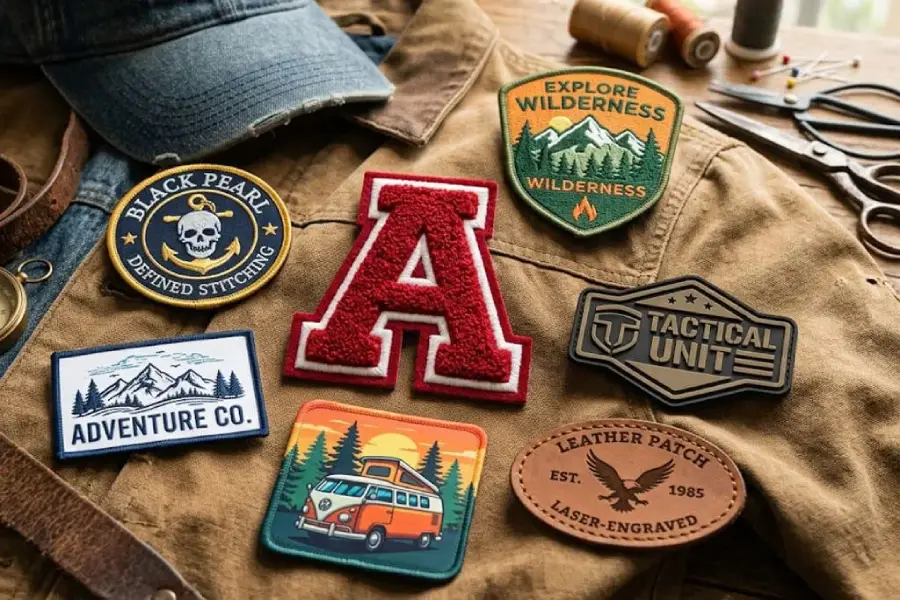
Before a person speaks a word, a uniform says a lot. Each detail of the uniform shapes the first impression, whether the uniform belongs to a security team, a restaurant, a school, or a corporate workforce. This is why embroidered patches are more than just decorative additions, and they are a practical branding tool that can help you to improve identification, professionalism, and team unity.
It is not always easy to choose the right emblem. The final results are influenced by fabric, stitching quality, durability, backing options, and design. This blog is a guide that tells you everything before ordering embroidered patches for uniforms, helping you to make a decision that looks great and lasts for years.
Why Are Embroidered Patches The Preferred Choice For Uniforms?
Uniform patches are still popular as they are both durable and have a professional presentation. They offer durability with regular wear and give organizations a polished and recognizable appearance. Embroidered patches create texture and depth as they are made with stitched threads. It gives a raised and premium appearance while resisting fading. Most of the industries, like healthcare and hospitality, rely on custom patches for uniforms as they can add aesthetics with long-term durability.
Employees often wear uniforms with custom badges having consistent branding to naturally enforce company identity. Customers instantly recognize the staff member and often build trust during each interaction. Uniforms often experience frequent laundering, constant movement, and outdoor exposure, so it is important to use high-quality embroidery and maintain color consistency.
What Should You Consider Before Ordering?
Choosing the right embroidered patch does not only involve a logo, but small production decisions can significantly affect the quality, comfort, and overall performance.
● Choose The Right Backing
Understanding the different backing options for custom patches is essential for choosing the right attachment method. Each backing serves a different purpose, whether it is iron-on, sew-on, hook-and-loop, or adhesive. Choosing sew-on offers maximum durability, while hook-and-loop allows patches to be replaced or updated without changing the uniform.
● Pick Suitable Thread Colors
Embroidery of patches depends on thread, not on ink, so it is crucial to choose accurate shades. Pick a strong color contrast to improve its visibility, especially when logos appear on dark fabrics or outdoor workwear.
● Keep The Design Simple
Tiny letters and highly intricate artwork can often lose their clarity during stitching. Use clean shapes and readable typography to produce better embroidery and preserve your brand identity from a distance.
● Consider Garment Compatibility
Each type of garment, including heavy jackets, work shirts, polo shirts, and tactical uniforms, needs different attachment methods. You can test compatibility before placing a large order to prevent unnecessary production delays.
● Focus On Production Quality
Most of the companies use custom patches USA made in the local manufacturing, which often provides stricter quality control, shorter turnaround times, and faster communication for larger uniform programs.
Steps To Order The Right Uniform Patches
It has become much easier to order embroidered patches when you follow a proper process. You should plan carefully to reduce revisions, control costs, and receive exactly what you expect.
1. Define The Purpose
Define what you want your patch to represent, whether it is about branding, employee identification, recognition, department, or rank. A clear purpose can simplify each design decision you make.
2. Prepare Your Artwork
Use vector files to produce the best embroidery results, as they scale without losing the quality of the artwork. If you don’t have professional artwork, most of the manufacturers also offer conversion of existing logos into embroidery-ready designs.
3. Select Size And Placement
Each placement needs different dimensions, whether a chest, sleeve, or shoulder emblem. It is ideal to measure the garment beforehand to prevent oversized and undersized embroidery after production.
4. Review A Digital Proof
Must request a sample or a digital preview before a large production run. If you check thread colors, borders, spelling, and dimensions at this stage, it will save you time and cost.
5. Order With Future Growth In Mind
Many businesses hire new employees throughout the year. If you order extra inventory, it will usually cost less than ordering smaller production runs later.
How Can You Make Uniform Patches Last Longer?
Patches will offer benefits if you take proper care, even with premium embroidery. Just a few maintenance habits can preserve their colors and stitching quality for years.
● Wash Garments Correctly
Must turn your uniform inside out before washing it to reduce friction against embroidered surfaces. Prefer mild detergents and cold water to reduce thread wear during repeated wash cycles.
● Avoid Excessive Heat
Avoid high dryer temperatures, as they can weaken adhesives on iron-on patches with time. You should use low heat or air drying to maintain both the garment and the patch.
● Inspect Stitching Regularly
Do routine inspections to identify loose threads before becoming large problems. Little repairs completed early can help you avoid patch replacement.
● Store Uniforms Properly
Choose clean and dry storage to protect embroidered areas from prolonged sunlight exposure and moisture. Storing your badges can prevent wrinkles from distorting emblem placement.
● Add Identification Where Needed
Organizations which are handling large staff often choose personalized name patches with the company logos. This little addition can improve communication and strengthen accountability, while also helping customers to recognize the employees quickly during service interactions.
People’s Common Queries
1. How long do embroidered patches usually last?
If you are using high-quality patches, they can last for many years if placed and cared for properly. Use mild detergent for regular washing, avoid excessive heat, and repair loose stitching early to extend their lifespan, which often matches the life of the uniform itself.
2. Can I remove embroidered patches without damaging uniforms?
Yes, but the method of the removing depend on the type of backing. Sew-on backing needs careful stitch removal, but hook-and-loop is specifically crafted for easy removal. If you are using iron-on patches, they may leave adhesive residue, so you must remove them slowly to avoid damaging the fabric.
3. What is the perfect standard size for a uniform patch?
The ideal size of the uniform patches varies according to the placement and purpose. Chest patches are often small for comfort and readability, and shoulder or back patches are larger. It is vital to keep text legible without overwhelming the garment to produce the best professional appearance.
To Sum Up!
Embroidered patches are more than just displaying a logo. They help to strengthen branding, create a polished appearance, and improve employee identification, which can reflect professionalism. Choose suitable material, review product details, and follow proper maintenance practices to get patches that remain attractive for years. Invest time to plan properly, which helps lead to better quality, stronger visual identity, and lower replacement costs. If you are planning to produce new uniforms, it is the best time to get the patch that best supports your team and your brand.

As a fashion analyst behind EmbroideredPatches.us, I love exploring the world of patches and all the creativity they bring. On this blog, I share tips, ideas, and simple techniques for making patches that last and look great. I explain colors, designs, and materials in a way that’s easy to follow, so anyone can try customizing their own patches. From small personal projects and gifts to collections and hobbies, patches are a fun way to add personality, style, and charm to clothes, bags, hats, and more. My goal is to inspire readers to bring their patch ideas to life, enjoy the process, and celebrate every little detail along the way.